

Introduction — a short shop-floor scene, a hard number, and a sharp question
I was standing by a laser welder once, the smell climbing my nose like peat smoke on a cold morning, and I knew we had to sort it. In automotive manufacturing welding fume extraction, tiny metal particles and gases pile up fast — studies show worker exposure can exceed safe limits in under an hour on some lines. So I ask: how do we keep our teams healthy without slowing production? (Aye, it’s a question that bites.)
I’ll be plain with you: I care about this. We want clean air, steady throughput, and machines that don’t fight the crew. In the next sections I’ll walk through what’s been going wrong, why a proper welding fume dust collector matters, and what to look for next. Let’s move on and pick this apart — gently, but properly.
Part 2 — The deeper layer: what’s broken in traditional setups (direct, technical)
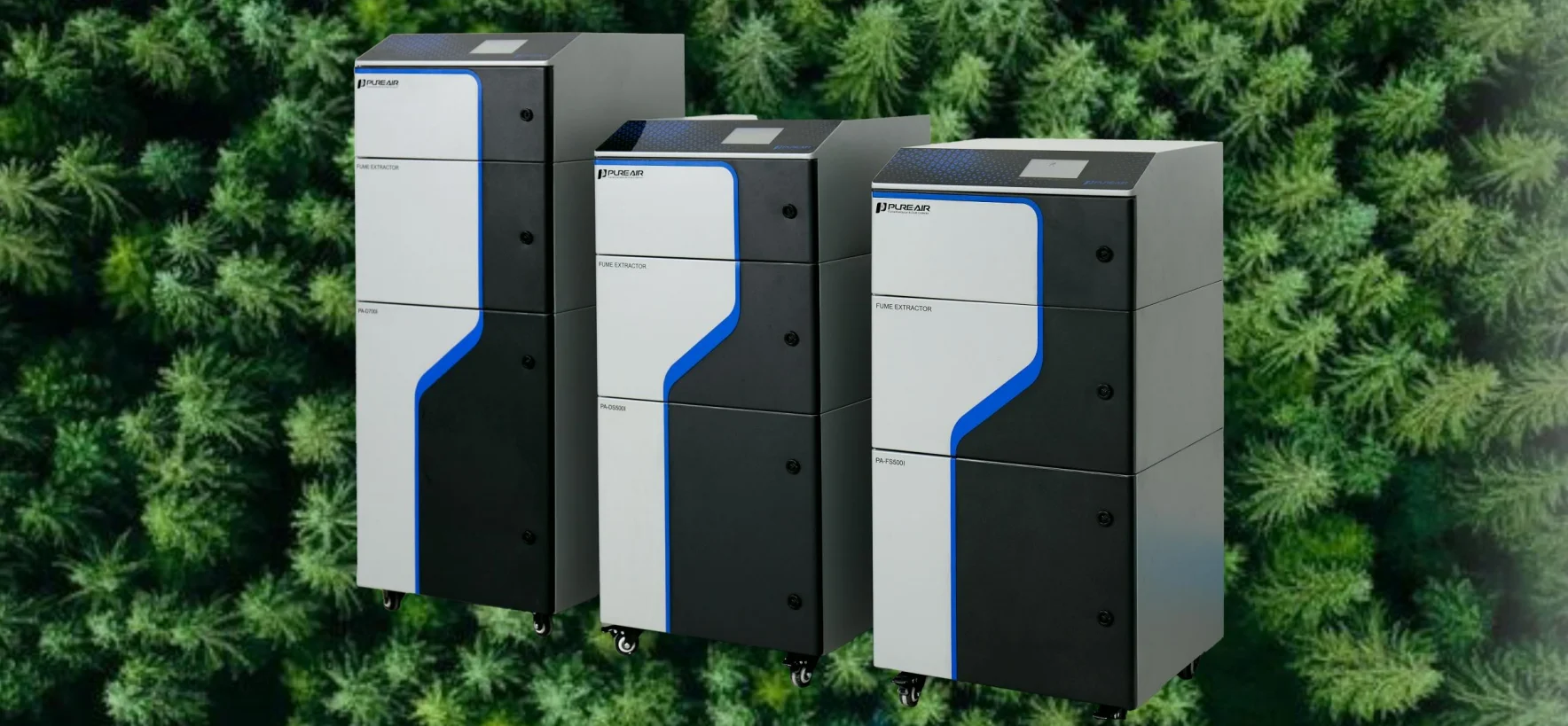
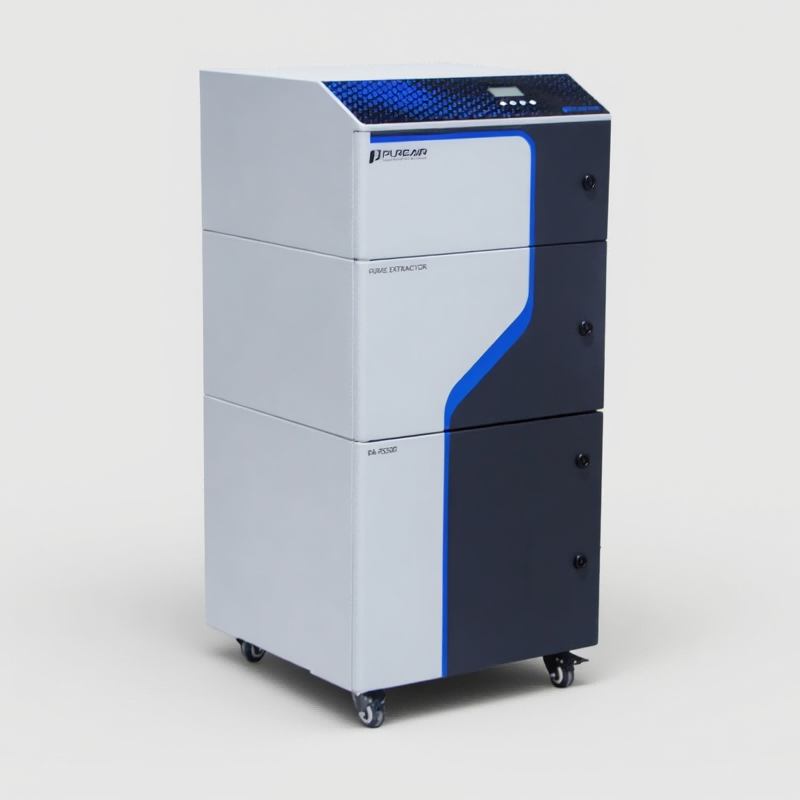
welding fume dust collector — there, I said it up front. Too many shops bolt on a box and call it sorted. The old ways rely on crude capture hoods, undersized ductwork, and fans that run flat-out. Filtration media gets caked. HEPA filters are fitted as an afterthought. The result? Lowered capture efficiency, higher maintenance time, and angry welders who cough at the end of the shift. Look, it’s simpler than you think when you see the failure points.
Here’s the technical bluntness: a mismatch between capture velocity and plume dynamics ruins performance. The fan blower may be rated for cubic feet per minute, but losses in poorly designed ductwork and leaky joints cut that down. Cyclone separators and pre-filters can help, but if the system lacks proper flow balance and accessible service points, you end up with downtime and costs you hadn’t planned for. I’ve walked the floor and noted repeated problems — clogged filters, bypass leaks, and incorrect fan placement (aye, those details matter). Engineers talk about power converters and motor drives to control speed, but real gains come from matched system design and correct filtration staging.
Why do these old systems keep failing?
Because they treat symptoms, not the plume. Folks buy a filter and expect miracles. Maintenance gets deferred. Ducts aren’t cleaned. The workforce adapts — they lift hoods or move work off the line — and safety slips. That’s the hidden pain. And yes, there’s a cost: lost throughput, sick days, fines. We can do better.
Part 3 — Looking forward: new principles and practical steps (semi-formal, future-focused)
So what comes next? I’m keen on principles, not buzzwords. Modern systems approach welding fume control as a layered problem. First: source capture — scoping hoods and extraction arms that meet plume physics. Second: staged filtration — coarse pre-filters, cartridge filters, then HEPA or ULPA final stages so you don’t torch a pricey HEPA every week. Third: monitoring — simple sensors for differential pressure, particle counts, and flow velocity. Tie that into local controls (edge computing nodes can run simple logic) and you get timely service alerts — less surprise downtime. — funny how that works, right?
We should also think about energy and controls. Variable speed drives cut energy use and let you tune capture. Duct layout needs to be short, straight where possible, and sized to keep velocity up without noise. And yes, a good welding fume dust collector is at the heart of this stack. Pair it with regular filter checks, accessible cartridge access, and clear maintenance protocols and you’ll see fewer trips to the clinic and more consistent cycle times. I’ve seen plants cut filter spend and absenteeism in the same quarter when they switched approach — measurable wins that matter to teams and managers alike.
What’s next for a plant like ours?
Start small: pilot one cell with a proper collector, flow meters, and a trained maintenance schedule. Compare results. (You’ll spot differences in hours saved and air quality quickly.) Then scale. It’s practical. It’s affordable in phases. And it protects people — which, to me, is the only real bottom line.
Takeaways and three key metrics to judge solutions
We’ve covered the smell in the shop, the mechanical failures, and the better principles. I’ll leave you with three plain metrics I use when vetting systems: capture efficiency at the source (how much of the plume is grabbed), total cost of ownership (filters, labor, energy over three years), and maintainability (hours to service, access, spare parts). If a supplier can’t answer these succinctly, I’d walk away. If they can show sensor data, service schedules, and a clear parts plan — then we’re talking.
We’ve been through trouble spots and better paths. I speak from time on the shop floor and from projects where small changes meant real gains. I want clean air and steady lines. I want welders who finish shifts without a sore throat. If you want help picking a system or running a pilot, start with those three metrics and test in one cell first. You’ll learn more in a month than in a year of meetings — funny how that works, right? And if you’re curious, take a look at what PURE-AIR is doing for automotive lines: PURE-AIR.
 Admin